新加坡的发展秘诀
2023年1月30日
2023年1月30日 ・ 3 minutes reading time

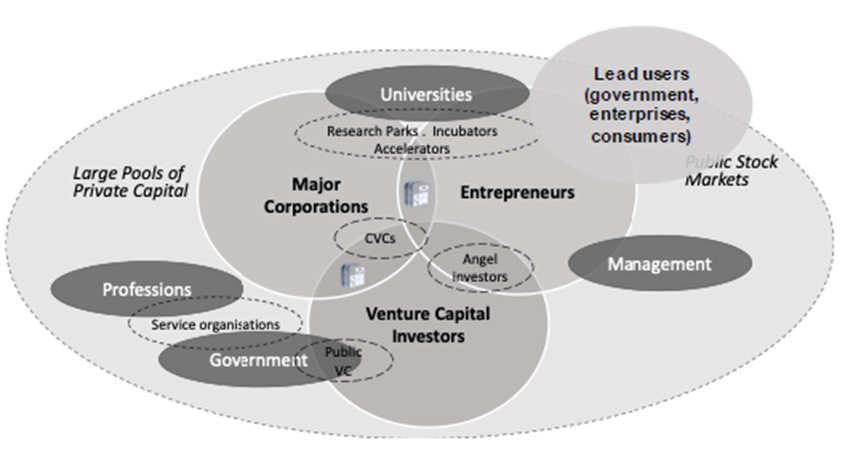
在过去30年间,新加坡的创新政策使其能够发展自主技术,并成为高收入经济体。此类政策旨在确保大型创新企业、创业者和风险投资者之间的共生关系。
可将这些政策归为两类:
- 供应推动型创新政策。此类政策旨在建设基础设施并进行投资以刺激创新。
- 需求拉动型创新政策。此类政策倾向于促进新产品和服务的采用,以减少开发这些产品和服务的风险。
建立供给
新加坡政府在建立其供给侧创新能力方面发挥了积极作用。在过去四十年中,新加坡为其经济转型成为该地区创新引领者投入了必要的财力、物力和人力资本。
2005年至2015年期间,新加坡本地私人资金占比从三分之一下降到四分之一,为了弥补该状况,政府拿出10亿美元公共资金振兴风险投资行业。如此巨额公共投资自始延续至今。在关键基础设施方面的重大公共开支(例如建设智能城市基础设施和医疗保健),促进了本土创业公司创新活动的增长。此外,新加坡对教育和研发的公共投资有助于其在地区和国际研究界享有盛誉,2019年和2020年有两所新加坡大学在亚洲位列一二。此外,其基础研究的数量和质量也因与日俱增的创业培训和衍生孵化而显著提升。因此,新加坡公共研究机构(PRI)、高校和初创企业的专利申请在过去二十年间增长最为迅猛并不足为奇。
提供需求
政府在为新加坡人主导的新技术创新提供需求方面,同样发挥了作用。就此而言,在移动、能源和最近冠状病毒病危机期间的公共医疗等部门,政府都是相对未经验证的新技术或新形式服务的早期采用者。正因如此,一些发明成为了可行的商业创新,并广泛传播到私营部门。
支持创业者
最后,新加坡公共政策的关键要素之一,是其创新友好型环境。当地创新者能够依靠专门机构的支持来扩大其初创企业的规模。这些服务激发了商业方面的努力,使创业者更容易了解与知识产权保护、风险资本投资、兼并和收购或首次公开募股有关的事宜。
相关资源
Disclaimer: The short posts and articles included in the Innovation Economics Themes Series typically report on research in progress and are circulated in a timely manner for discussion and comment. The views expressed in them are those of the authors and do not necessarily reflect those of WIPO or its Member States.